

The Allure of Chance and Unpredictability
The foundation of casino games lies in their intrinsic unpredictability. Players are naturally drawn to activities that involve chance, as the element of the unknown stimulates the brain’s reward system. This unpredictability can trigger the release of dopamine, a neurotransmitter associated with pleasure and reward, reinforcing gambling behavior and enticing players to return. For those seeking excitement, rocket casino real money can offer a thrilling experience that heightens the emotional stakes and amplifies the joy of the game. This psychological pull is similar to what one might experience with other risk-related activities, such as extreme sports or thrill-seeking adventures. The adrenaline rush that accompanies uncertainty is a powerful motivator, making the act of gambling not just a financial endeavor but an emotional experience.
Moreover, the anticipation of potential rewards creates a powerful emotional cycle. Players may experience a rush of excitement while waiting for the outcome of a spin or a card draw. This anticipation can often lead to a focus on the experience itself rather than the potential financial loss that might ensue. With each bet placed, the hope of hitting a jackpot can overshadow the reality that the odds are typically against them, cultivating a cycle of excitement, disappointment, and hope that can be hard to break. For many, this cycle becomes addictive, as the highs of winning and the lows of losing intertwine to form a complex emotional landscape.
In essence, the allure of chance not only attracts players but also creates a compelling narrative that enhances their overall experience in the casino. The stories of wins, combined with the thrill of the gamble, keep players engaged. Successful casinos design their environments to maximize this thrill, ensuring that every spin and shuffle feels like the next big moment, continuously drawing players into the game. This careful crafting of experience is crucial in maintaining player interest and fostering a sense of community among gamblers who share their highs and lows.
The Role of Environment in Player Experience
The physical environment of a casino plays a critical role in shaping player behavior. From the moment a player steps into a casino, they are enveloped in a carefully curated atmosphere designed to stimulate their senses. Bright lights, vivid colors, and upbeat music are all strategically employed to create a sense of excitement and indulgence. These sensory elements can significantly influence a player’s emotions, promoting a more immersive gaming experience. The overall ambiance is designed to distract from the outside world, allowing players to lose themselves in the thrill of the game.
Furthermore, casinos often employ layout design to guide players through the space without them realizing it. The arrangement of machines and tables is intentional, creating pathways that encourage exploration and prolonged stay. This strategic design reduces the likelihood of players noticing time passing, leading them to gamble longer than they originally planned. Casinos are often devoid of windows or clocks, reinforcing the sensation of being in a separate world where outside time and reality fade away. This deliberate manipulation of space plays a pivotal role in encouraging players to engage longer, often leading to increased spending and deeper immersion.
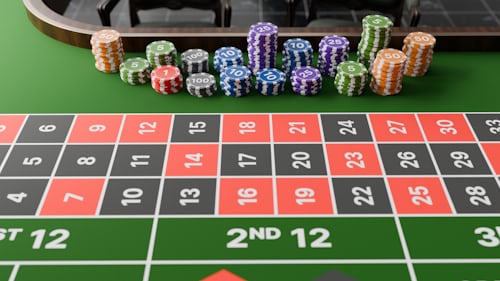
The combination of environment and design results in a powerful psychological impact on players. This carefully orchestrated ambiance fosters a sense of community and excitement, as players often engage with one another while participating in games. The social aspect of gaming is crucial in enhancing player experience, as the presence of others can amplify feelings of exhilaration and camaraderie, further binding individuals to the casino environment. The shared experiences of winning and losing create bonds among players, making them more likely to return and engage with the casino scene repeatedly.
The Psychology of Winning and Losing
The psychology of winning and losing is a fundamental aspect that significantly influences player behavior in casinos. Winning can create a euphoric feeling that players seek to replicate, forming a critical psychological feedback loop. This creates what is known as the “illusion of control,” where players feel empowered by believing they can influence outcomes, even in games of chance. Such beliefs can lead to continued play, as players become convinced that they are on the verge of hitting it big. This self-perception can be incredibly misleading, yet it is a driving force behind the persistence of many gamblers.
Conversely, the impact of losing can have equally profound effects. Losses can trigger emotional responses ranging from frustration to despair. Remarkably, studies have shown that the pain of loss is often felt more intensely than the pleasure of a win. This phenomenon can lead players to chase their losses, believing that a significant win is just one more bet away. Such behavior can escalate problems, creating a cycle that keeps players trapped in a quest for recovery rather than enjoyment. This emotional rollercoaster can lead to severe consequences, both financially and psychologically, for many individuals.
Understanding how players react to winning and losing can help operators tailor their offerings to maximize engagement. This may include implementing variable payout structures that create frequent smaller wins, satisfying the player’s need for immediate gratification. By balancing wins and losses, casinos can encourage players to remain optimistic, fostering a positive cycle that keeps them engaged in gaming activities for longer periods. This strategic approach not only enhances player experience but also encourages responsible gaming behaviors among patrons.
The Influence of Social Dynamics and Peer Pressure
Casinos are not just venues for gambling; they are social hubs where interpersonal dynamics can significantly influence player behavior. The presence of others can heighten the excitement and overall enjoyment of the gaming experience. Social interactions may create a sense of belonging, encouraging players to participate in games they might not choose on their own. Observing others celebrate wins can instill a desire to join in, often pushing individuals to engage in riskier behavior. This communal atmosphere fosters an environment where excitement can be contagious, leading players to act in ways they might typically avoid.

Peer pressure can also manifest in subtle ways, as players may feel the need to conform to the behavior of those around them. This can lead to impulsive decisions, such as betting larger amounts in an effort to keep up with friends or peers. The communal environment fosters a spirit of competition where players may attempt to showcase their gambling prowess, further amplifying the pressure to take risks. The social dynamics at play in casinos can create a unique environment where individuals feel compelled to engage in behaviors that they might otherwise consider uncharacteristic.
Moreover, social media and online platforms have introduced new dimensions to casino engagement, allowing players to share their experiences and wins with a broader audience. This sharing creates a feedback loop where players may feel compelled to gamble more frequently to showcase their lifestyles or successes. The fusion of social dynamics and gaming behavior exemplifies how deeply interconnected the experiences in a casino can be, influencing both individual decision-making and group dynamics. This online presence can further entrench the desire to participate in gaming, reinforcing both positive and negative behaviors among players.
Understanding Responsible Gaming and Player Support
As the psychology of gambling holds such sway over players, the importance of responsible gaming becomes paramount. Understanding the psychological triggers that lead to excessive gambling is crucial in mitigating the risks associated with casino gaming. Many gambling establishments have recognized this need and have initiated programs aimed at promoting responsible gaming practices. These initiatives focus on educating players about the odds, encouraging them to set limits, and providing resources for those who may be struggling. Such measures are vital in cultivating a more informed and responsible player base.
Player support systems are often integrated within the casino experience, providing tools such as self-exclusion programs and access to counseling services. Casinos are increasingly aware that fostering a healthy gaming environment not only benefits players but also enhances their reputation. By taking a proactive approach to support and education, casinos can create a safer atmosphere that acknowledges the psychological complexities of gambling. These initiatives not only protect players but also promote a culture of responsible gaming that can lead to sustainable patronage.
Moreover, public awareness campaigns can be instrumental in addressing the stigma surrounding gambling-related problems. By promoting open conversations about addiction and responsible practices, the industry can play a pivotal role in shifting perceptions. Encouraging players to seek help when needed empowers them to take control of their gambling habits and fosters a culture of mindfulness in gaming, helping to balance the thrill of play with the necessary precautions for personal well-being. This holistic approach is essential in ensuring that the gaming experience remains enjoyable while safeguarding against potential pitfalls.