

Cultural perspectives on gambling understanding the diverse beliefs and practices
Historical Context of Gambling Across Cultures
The history of gambling is as diverse as the cultures that practice it. From ancient China, where dice games were played over 2,000 years ago, to the betting traditions of the Greeks and Romans, gambling has been an integral part of human civilization. These early forms of gambling often tied into religious beliefs and rituals, signifying fortune and fate. For instance, in many indigenous cultures, games of chance were used not only for entertainment but also for divination and decision-making. As players seek new experiences, many turn to platforms like zoccer casino, which offer modern alternatives to traditional gaming.
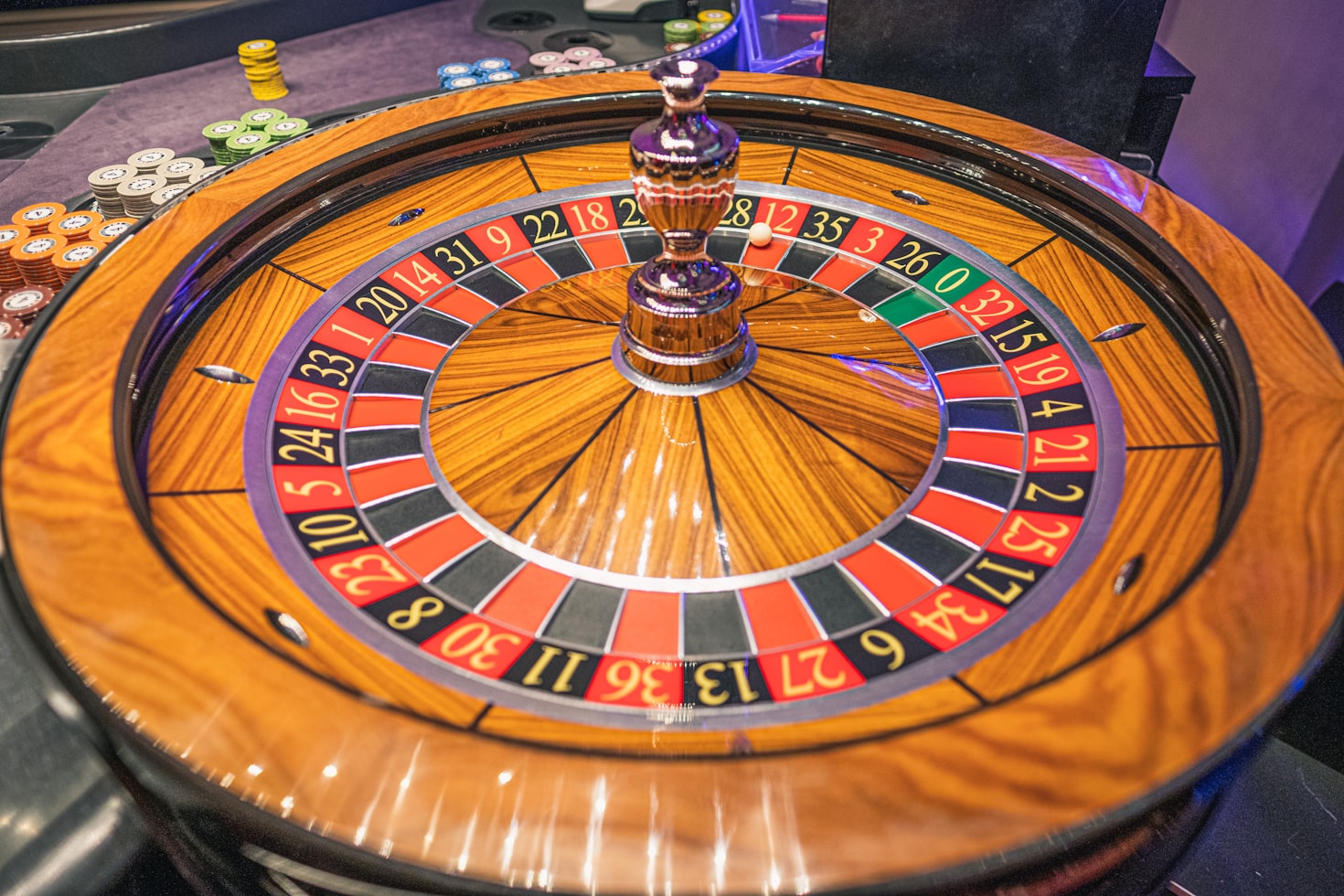
As societies evolved, so too did their gambling practices. In medieval Europe, gambling became more formalized, with the establishment of lotteries and the proliferation of card games. The connection between gambling and social status emerged, with aristocrats often partaking in high-stakes games. In contrast, gambling in many Asian cultures has remained closely linked to community events and celebrations, highlighting its role in social cohesion.
Understanding the historical context of gambling is essential to grasping its current perceptions. For many, gambling is still viewed as a risky endeavor fraught with potential loss, while others see it as a source of entertainment and economic opportunity. This dichotomy reflects broader societal values and beliefs about chance, risk, and reward, shaping how different cultures approach gambling today.
Religious and Ethical Perspectives on Gambling
Religious views on gambling vary widely across the globe, influencing societal attitudes and practices. For instance, in Christianity, many denominations view gambling as morally questionable, associating it with greed and avarice. In contrast, some cultures, particularly in parts of Asia, have embraced gambling as a means of fortune seeking, intertwining it with spiritual beliefs. For instance, the Chinese New Year is marked by games and lotteries, which are believed to bring good luck for the year ahead.
Furthermore, Islam strictly prohibits gambling, considering it a form of exploitation. This prohibition stems from the belief that gambling promotes irresponsibility and can lead to social harm. Consequently, in predominantly Muslim countries, gambling activities are often heavily regulated or outright banned. This stark contrast in religious beliefs shapes the gambling landscape, dictating what is acceptable and influencing personal choices.
Ethically, discussions surrounding gambling often center on the implications of addiction and socioeconomic factors. In cultures where gambling is normalized, there can be a tension between the enjoyment of games and the potential for destructive behavior. Many societies grapple with the challenge of balancing personal freedom with social responsibility, leading to diverse regulations and support systems aimed at mitigating harm while allowing for recreational gambling.
The Impact of Technology on Gambling Practices
The advent of technology has revolutionized gambling, offering new avenues for participation and interaction. Online gambling platforms have emerged, providing access to a wide array of games and betting opportunities from the comfort of one’s home. This shift has democratized gambling, allowing individuals from various backgrounds to engage in activities that were once limited to physical locations such as casinos. Consequently, online gambling has become a staple in many cultures, transcending geographical boundaries.
Moreover, the rise of mobile technology has further transformed gambling practices, enabling users to place bets and play games on their smartphones. This convenience has contributed to the rapid growth of online casinos and sportsbooks, attracting a younger demographic that prefers digital engagement. However, this shift also raises concerns about regulation, addiction, and responsible gambling practices, prompting many cultures to reevaluate their approach to gambling in an increasingly digital world.
In examining the cultural impact of technology on gambling, it’s essential to recognize the varied responses across different societies. While some cultures embrace technological advancements in gambling, seeing them as an extension of traditional practices, others approach them with caution, wary of potential adverse effects. This divergence highlights the ongoing evolution of gambling as a cultural phenomenon shaped by technological progress.
Gambling in Contemporary Society
In contemporary society, gambling is often viewed through a dual lens of entertainment and risk. For many, it serves as a popular pastime, with casinos and online platforms offering a myriad of options for leisure. Events like poker tournaments and sports betting have gained significant traction, turning gambling into a form of social interaction and community engagement. This shift has also led to a rebranding of gambling, as it becomes more integrated into mainstream entertainment.
However, the darker side of gambling remains prevalent, with issues of addiction and financial hardship affecting individuals and families across cultures. Many societies are grappling with the challenge of recognizing gambling as a potential public health concern while fostering an environment that allows for responsible enjoyment. Public awareness campaigns and support programs have emerged in several regions, aiming to educate individuals about the risks associated with gambling while promoting healthy behaviors.
This duality within contemporary gambling reflects broader societal changes, including shifting attitudes towards risk and reward. While some cultures embrace gambling as an exciting venture, others remain cautious, advocating for strict regulations and responsible practices. This ongoing dialogue underscores the complexity of gambling as a cultural practice, influenced by historical, religious, and technological factors.
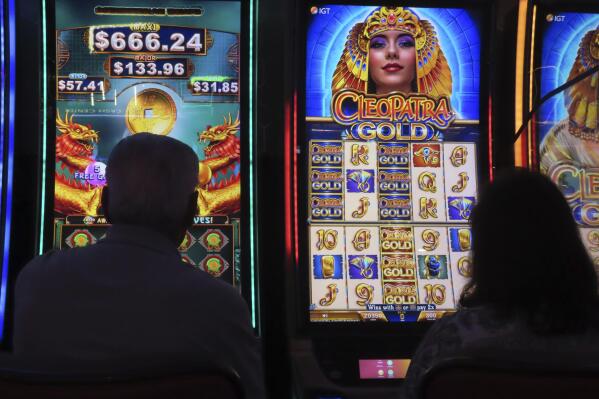
Exploring Zoccer Casino: A Modern Gaming Experience
Zoccer Casino represents the intersection of traditional gambling practices and modern technology, offering a vibrant online gaming platform for enthusiasts. Established in 2023, it caters to a diverse audience, featuring thousands of slots, table games, and live dealer experiences. This extensive range of options reflects the changing landscape of gambling, where convenience and variety are paramount. Players can enjoy their favorite games without the constraints of physical locations, making it a popular choice in many cultures.
The site also emphasizes a user-friendly interface and a commitment to creating a safe gaming environment. This focus on player safety resonates with contemporary concerns about responsible gambling, ensuring that users can engage in gaming without fear of exploitation. The addition of a comprehensive sportsbook further enhances Zoccer Casino’s offerings, appealing to a demographic that enjoys sports betting alongside traditional casino games.
With enticing promotions such as a welcome bonus and free spins, Zoccer Casino aims to attract both casual players and seasoned gamblers. This approach illustrates how modern online casinos are adapting to cultural shifts, striving to provide an engaging experience that aligns with contemporary values of enjoyment, safety, and accessibility in gambling.